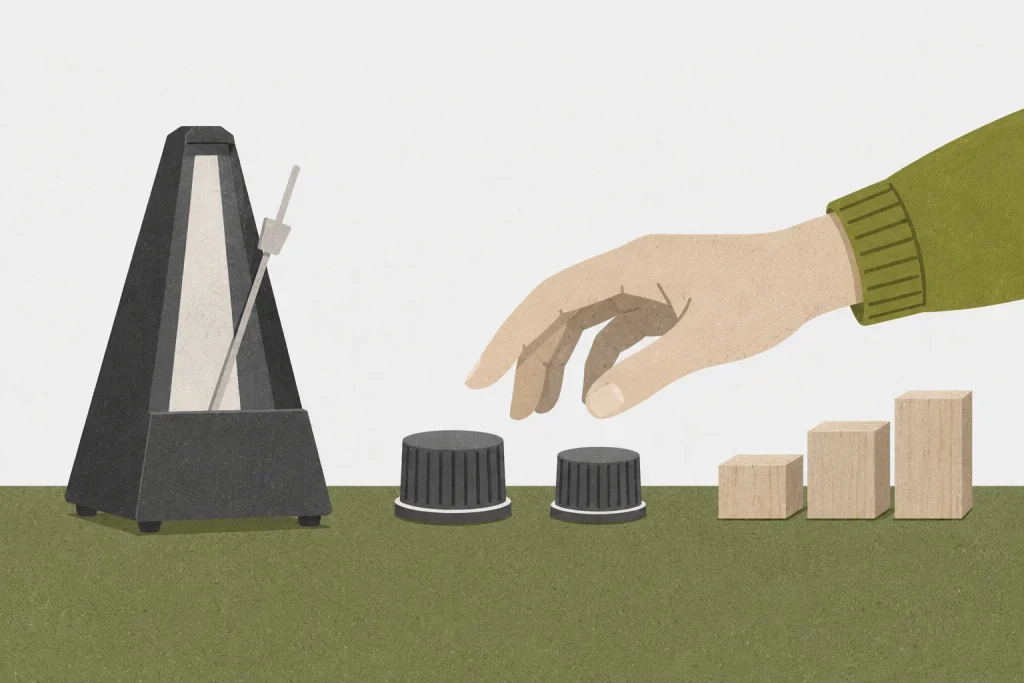
How to Practice Slowly and Still Make Progress
Slow practice works when the tempo is fast enough to preserve the movement, slow enough to observe it, and raised only after repeatable correct attempts.

Practice works when the task is specific enough to notice a change. These lessons help you choose one target, slow it to a usable level, repeat without rehearsing the same mistake, and apply the result to music. Short sessions count when they include feedback and a clear finish line.
Lessons in this path
Start with the title that matches the problem you can name today.
Slow practice works when the tempo is fast enough to preserve the movement, slow enough to observe it, and raised only after repeatable correct attempts.
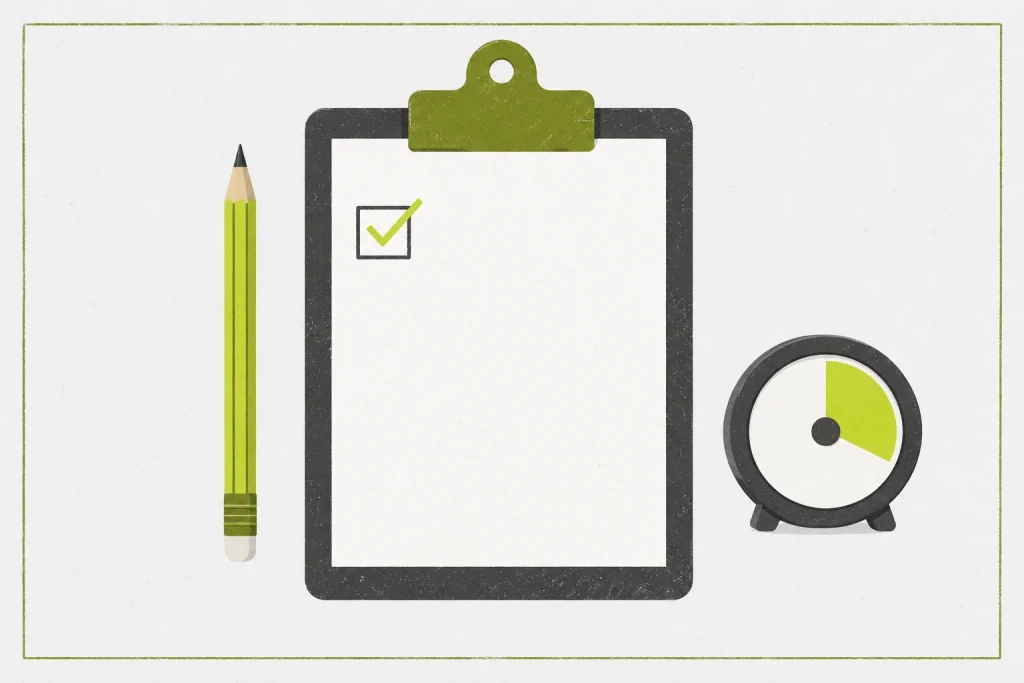
A measurable practice goal names the passage, action, condition, success rule, and feedback source so you know what to try and when to stop.
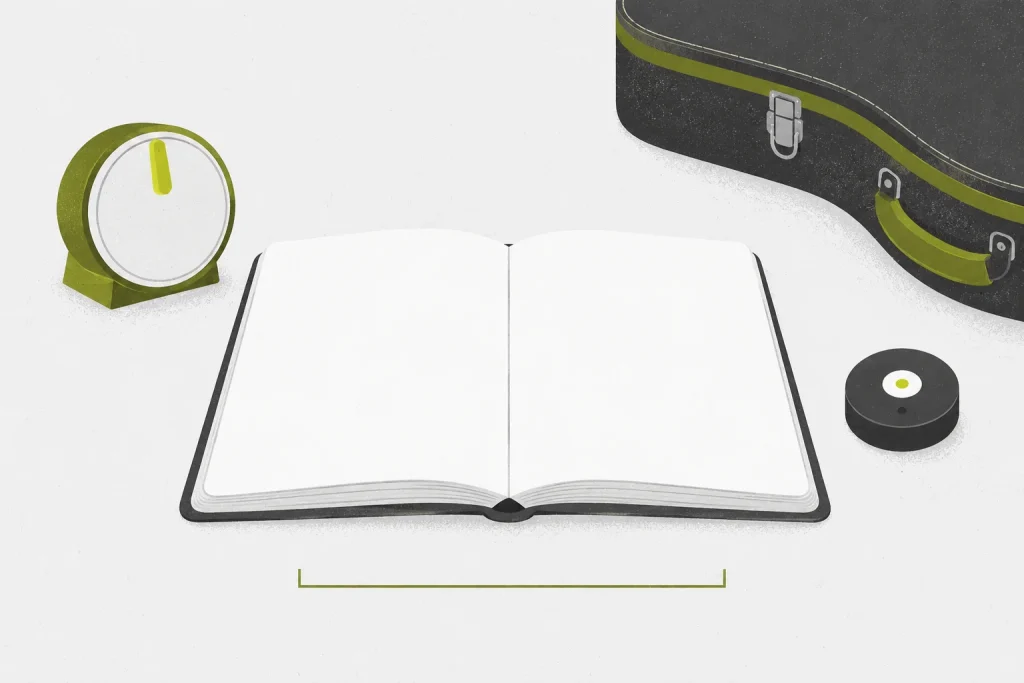
A short practice routine works when every block answers a question: what needs work, what changed, and what should begin the next session?
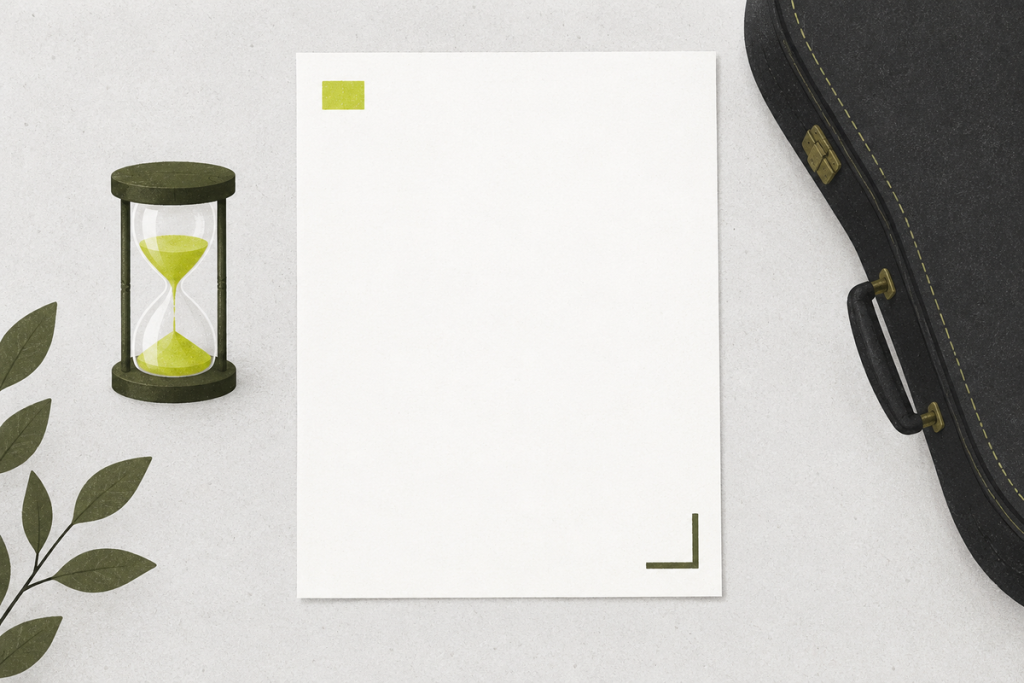
Effective practice is a feedback loop: choose one observable target, attempt it, compare the result, and make one adjustment before repeating.
Motivation fluctuates. Build a practice system that still starts on low-energy days, shows evidence of change, and survives a missed week.
Move between skills