Essential Music Vocabulary for Absolute Beginners
A working glossary of beginner music vocabulary, grouped by the musical questions each term helps you answer.
Starting music is easier when the first decision is small and practical. This path helps you choose an instrument you can actually live with, understand the few mechanics worth learning first, and plan a first month that ends with something you can hear and recognize as progress. You do not need prior theory, perfect pitch, or an expensive setup.
Lessons in this path
Start with the title that matches the problem you can name today.
A working glossary of beginner music vocabulary, grouped by the musical questions each term helps you answer.
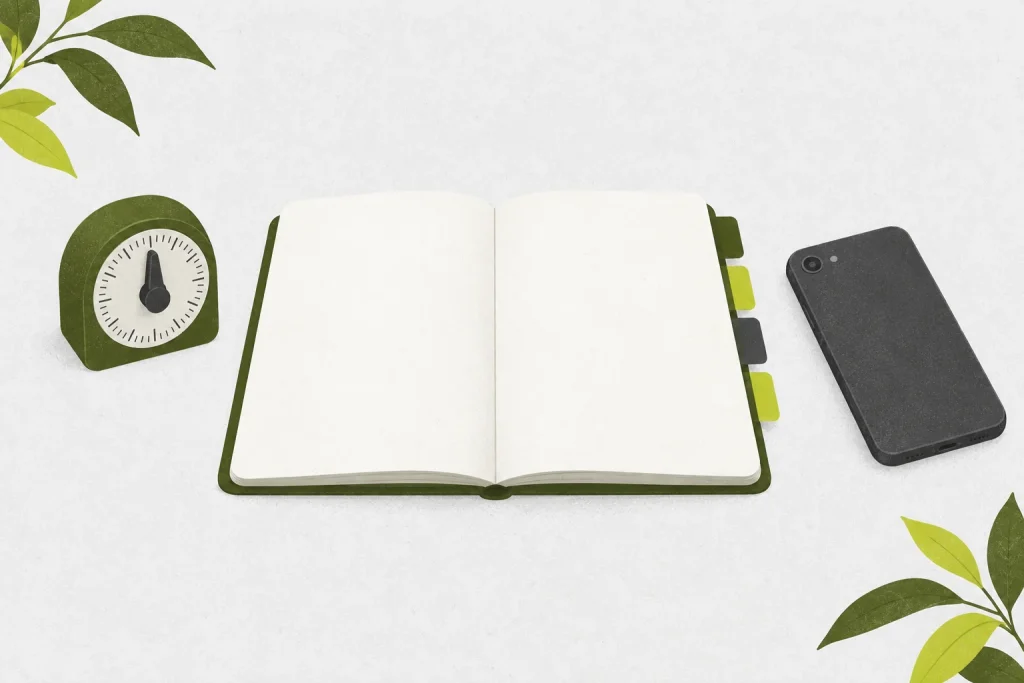
A four-week beginner roadmap built around controlled sound, steady pulse, one small piece, and useful feedback—not a race through a method book.
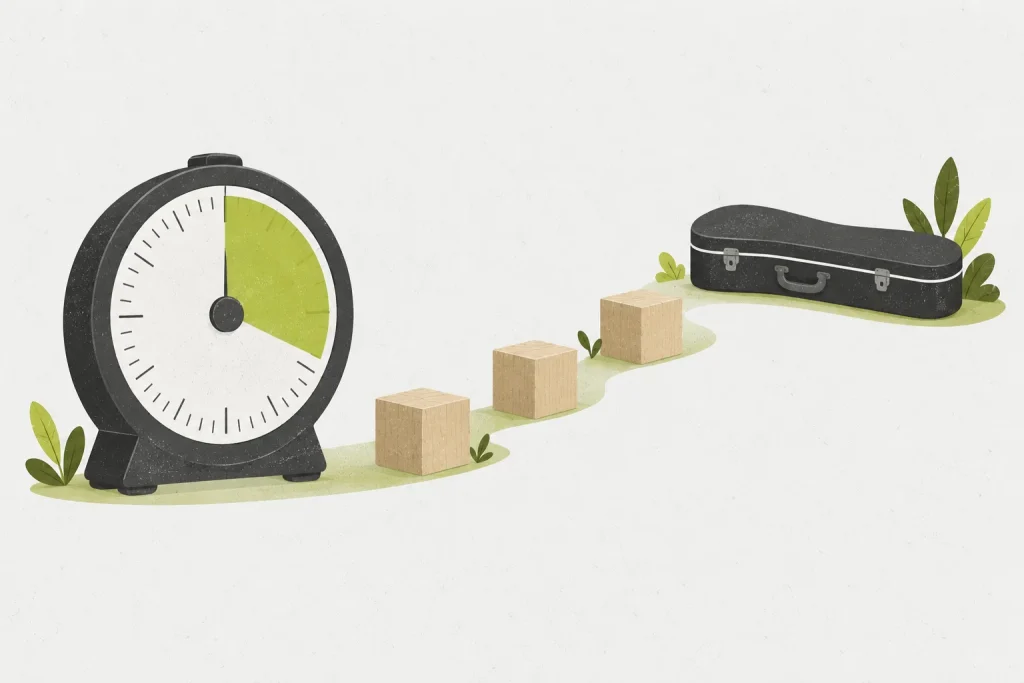
There is no honest universal hour count. Define the musical result you want, then measure progress with observable milestones and feedback.
Start by making one controlled sound, keeping a steady pulse, and joining those skills in a tiny musical phrase you can repeat and check.
Start with the music mechanic that is blocking you now. This practical map connects pitch, rhythm, notation, intervals, scales, and chords through one five-minute ex...
Start with the recording job, reuse what you own, and add only the tool that removes the next clear obstacle in your signal path.
Choose an instrument that fits the sound you want and the life you have. Six practical tests turn a vague preference into a trial you can evaluate.
Move between skills