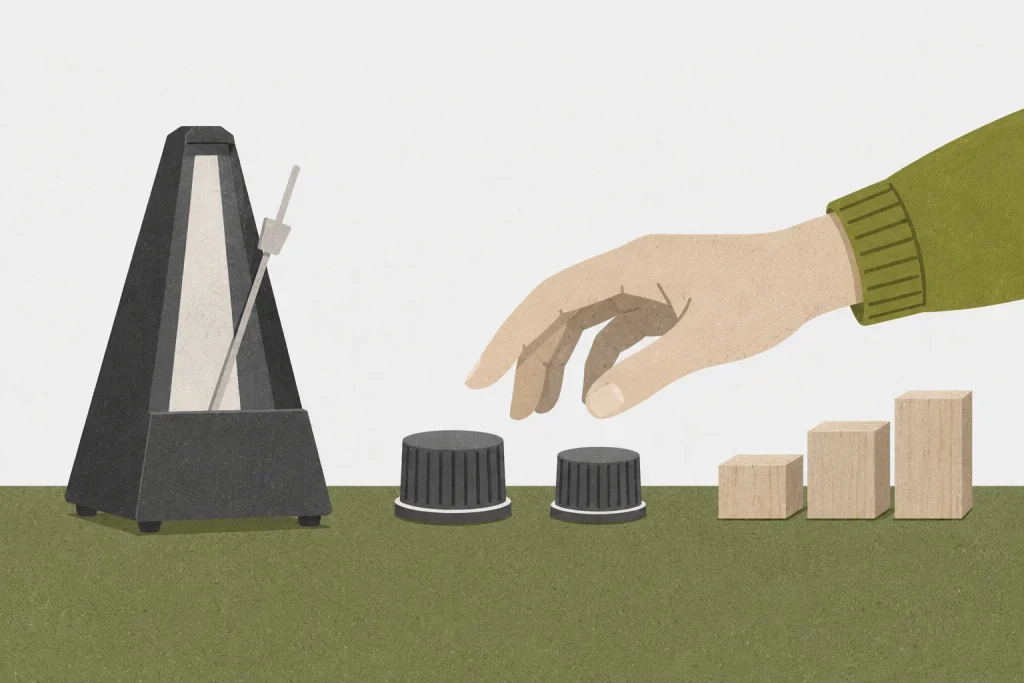
How to Practice Slowly and Still Make Progress
Slow practice works when the tempo is fast enough to preserve the movement, slow enough to observe it, and raised only after repeatable correct attempts.

Musical speed, tempo control, and deliberate slow practice.
Lessons in this path
Start with the title that matches the problem you can name today.
Slow practice works when the tempo is fast enough to preserve the movement, slow enough to observe it, and raised only after repeatable correct attempts.
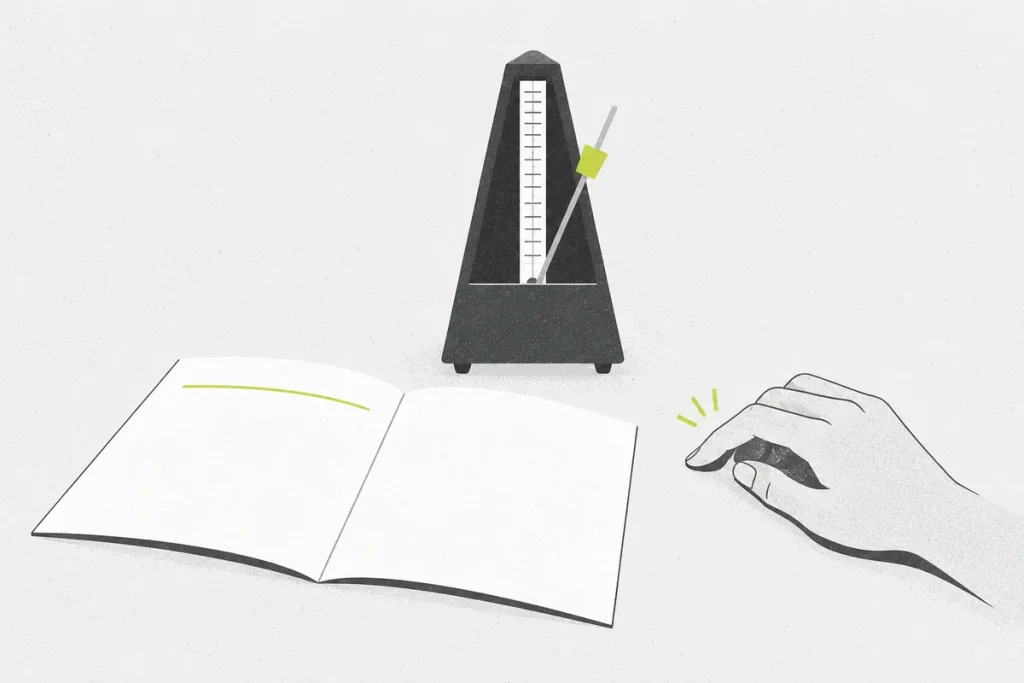
Treat the metronome as a reference point: establish the pulse in your body, join the click, and increase speed only after repeatable clean attempts.
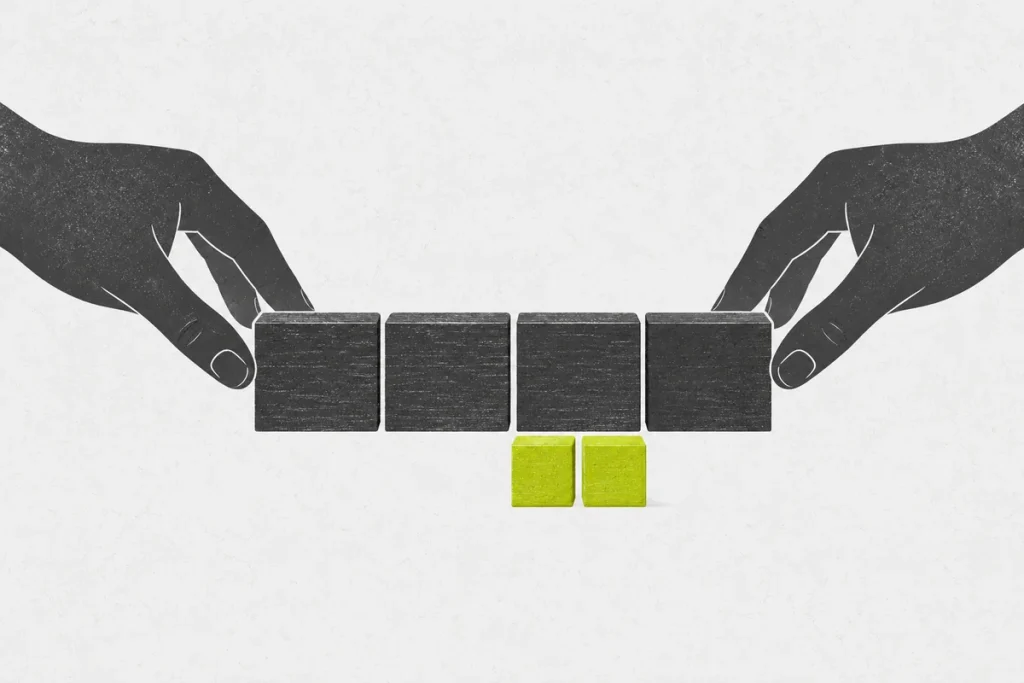
Subdivision fills the space between beats with an even internal grid. Start with halves, keep the main pulse visible, and add thirds only after duple division is sta...
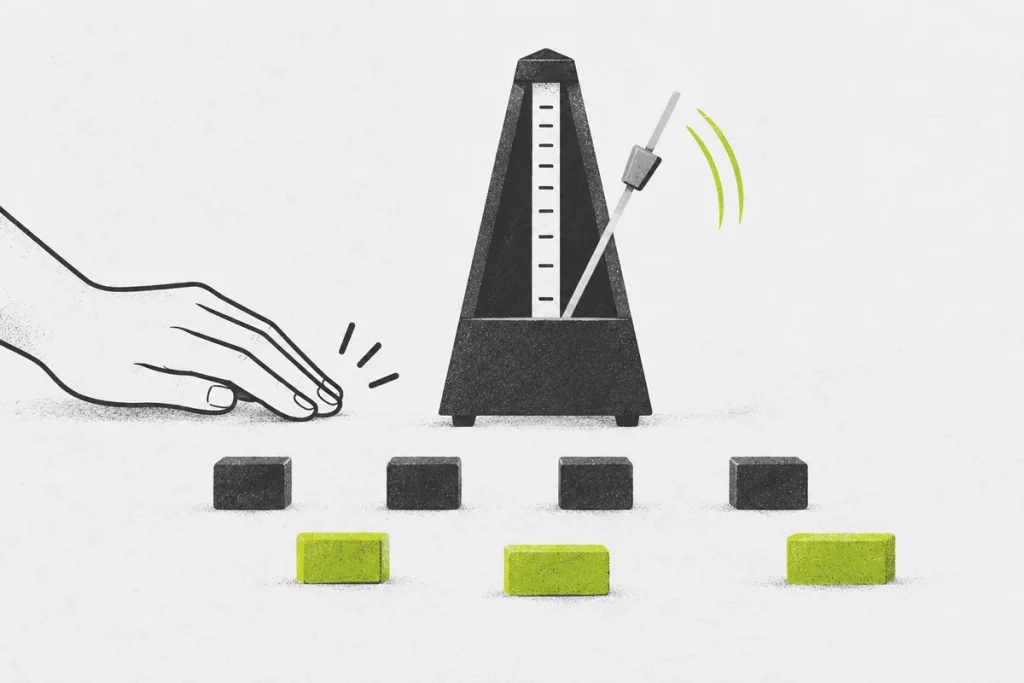
Beat is the steady pulse, rhythm is the pattern placed on it, and tempo is the pulse’s speed. Hear and feel all three in one exercise.
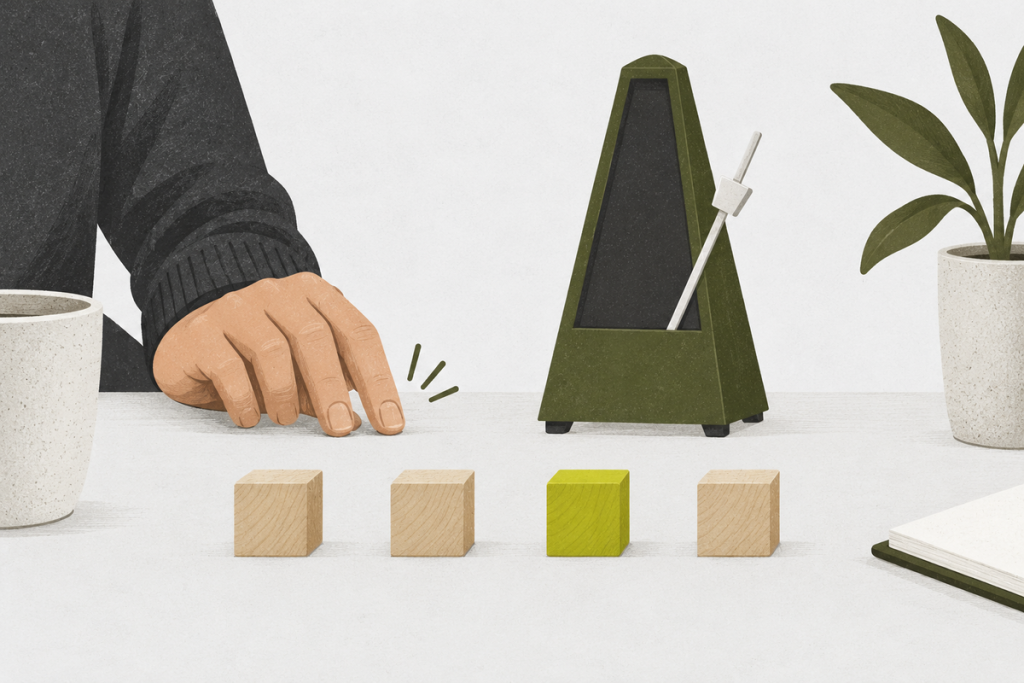
Build timing in layers: keep an even pulse, place a pattern on it, subdivide the beat, and use a metronome to check rather than lead every attempt.
Move between skills