Active Listening for Musicians: What to Listen For
Replace vague repeated listening with five short passes, one musical question per pass, and an observation you can test in the recording.

Listening, matching, recognition, musical memory, and recall.
Lessons in this path
Start with the title that matches the problem you can name today.
Replace vague repeated listening with five short passes, one musical question per pass, and an observation you can test in the recording.
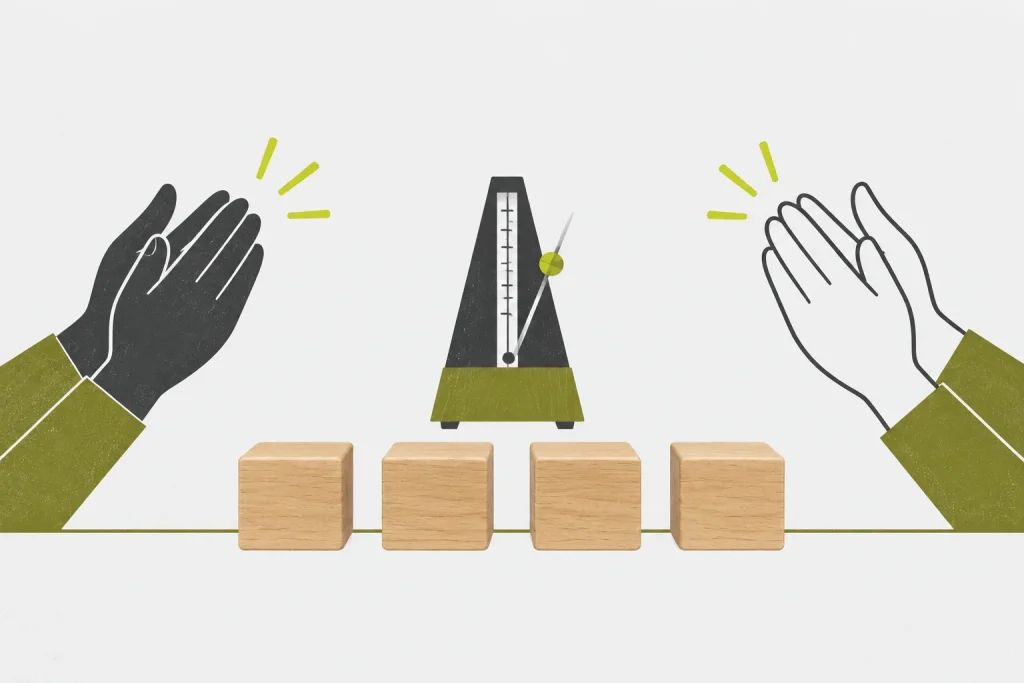
Hold a steady four-beat pulse, hear one short pattern, copy it with claps, and compare the placement of sounds and silences before adding complexity.

Learn intervals as heard distances: identify direction, sing both pitches, count the letter span, and verify the answer before adding more pairs.
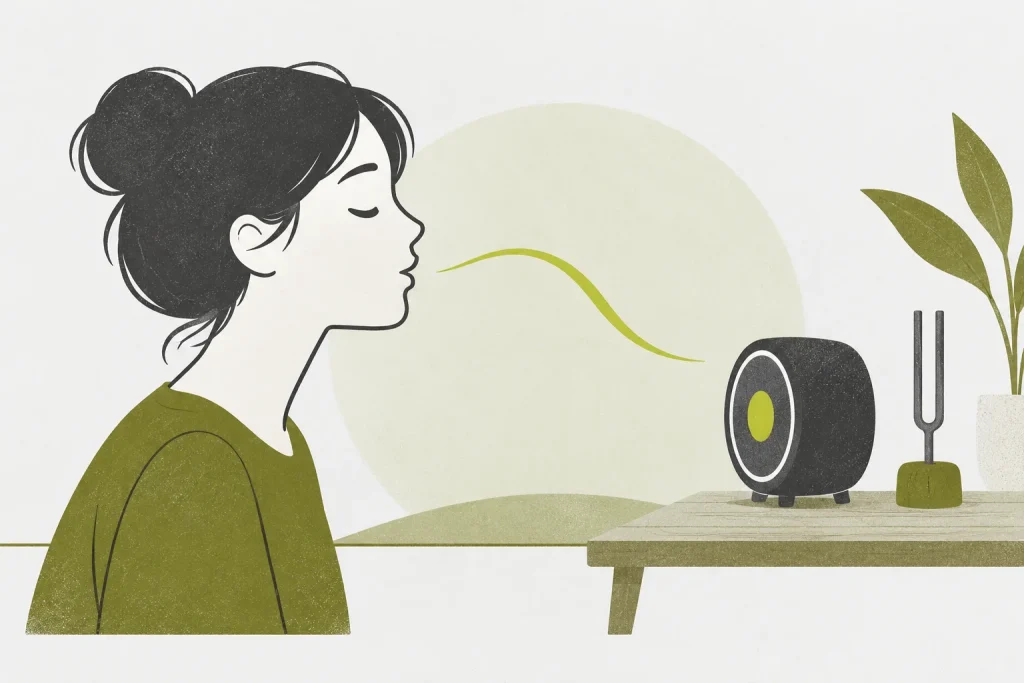
Use one comfortable reference note, approach it with a gentle slide, settle without forcing, and check by listening for the rough pulse between sounds.
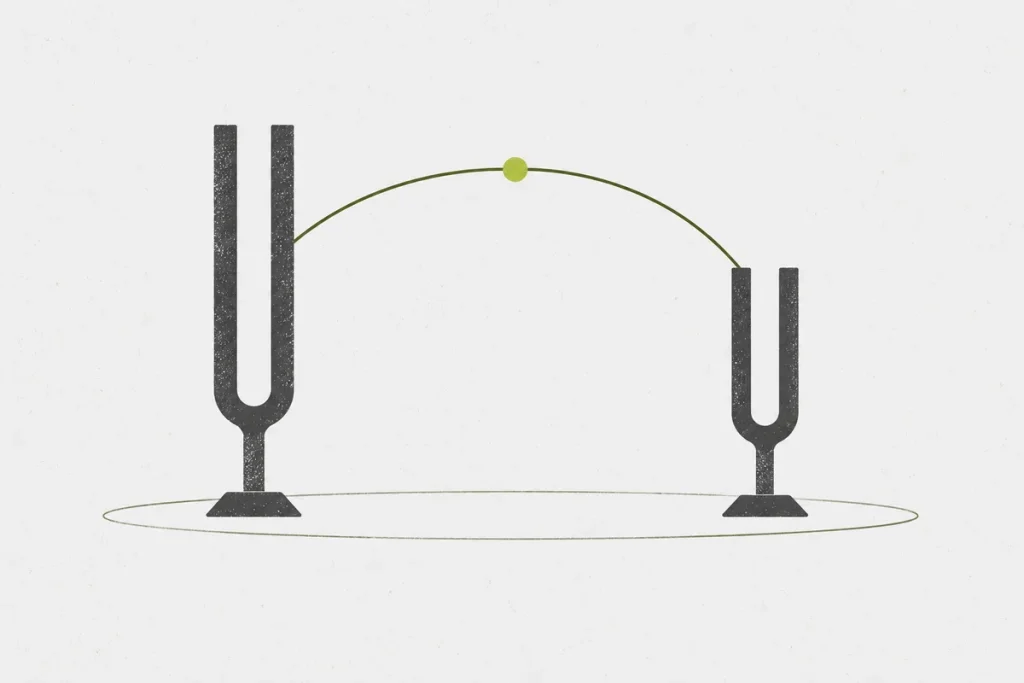
An interval is the distance between two pitches. Count the written letter span first; add major, minor, or perfect quality after the number is secure.
Ear training is the practice of hearing a musical detail, comparing it with a response, and adjusting the next attempt. Start with one pitch and one rhythm.
Build a chord progression from triads and scale degrees, then hear and play a four-chord C-major example with a clear success check.
Move between skills