Key Signatures for Beginners
A key signature places a recurring set of sharps or flats after the clef so the same accidentals do not need to be rewritten on every affected note.

Staff, clefs, symbols, note values, and verified written examples.
Lessons in this path
Start with the title that matches the problem you can name today.
A key signature places a recurring set of sharps or flats after the clef so the same accidentals do not need to be rewritten on every affected note.
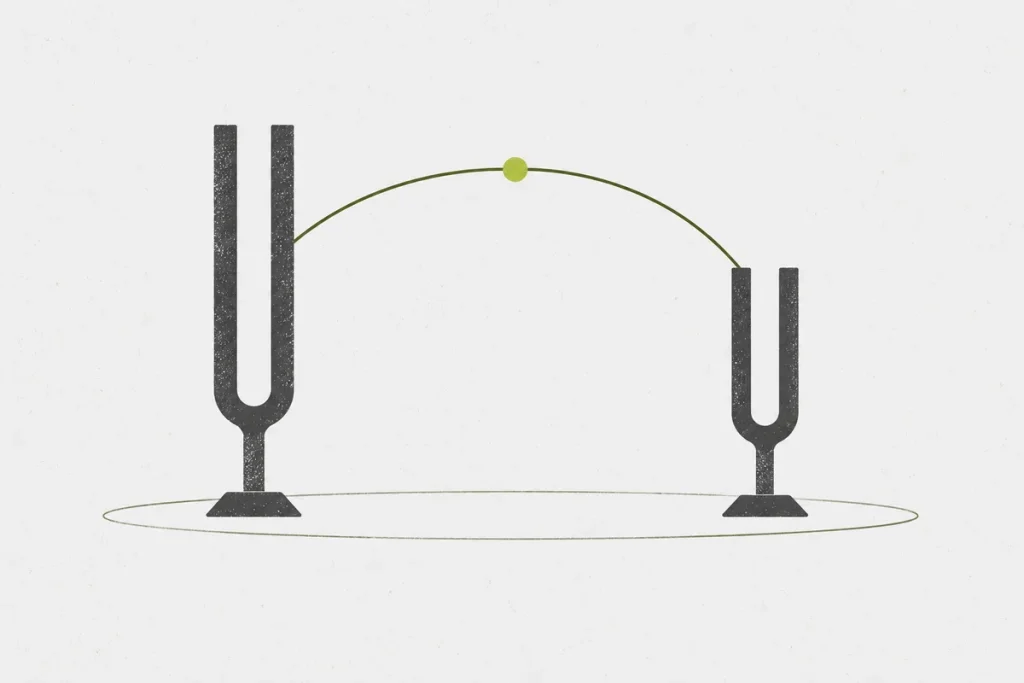
An interval is the distance between two pitches. Count the written letter span first; add major, minor, or perfect quality after the number is secure.
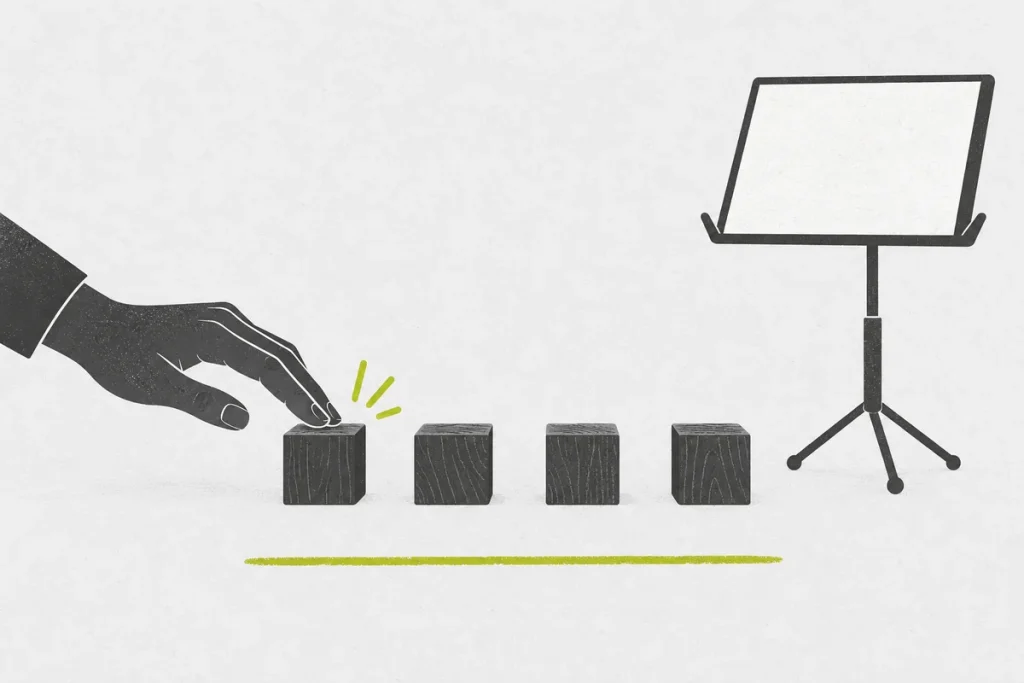
Find the pulse, group it, count aloud, preserve silent beats, and add subdivisions only after the beat is steady.
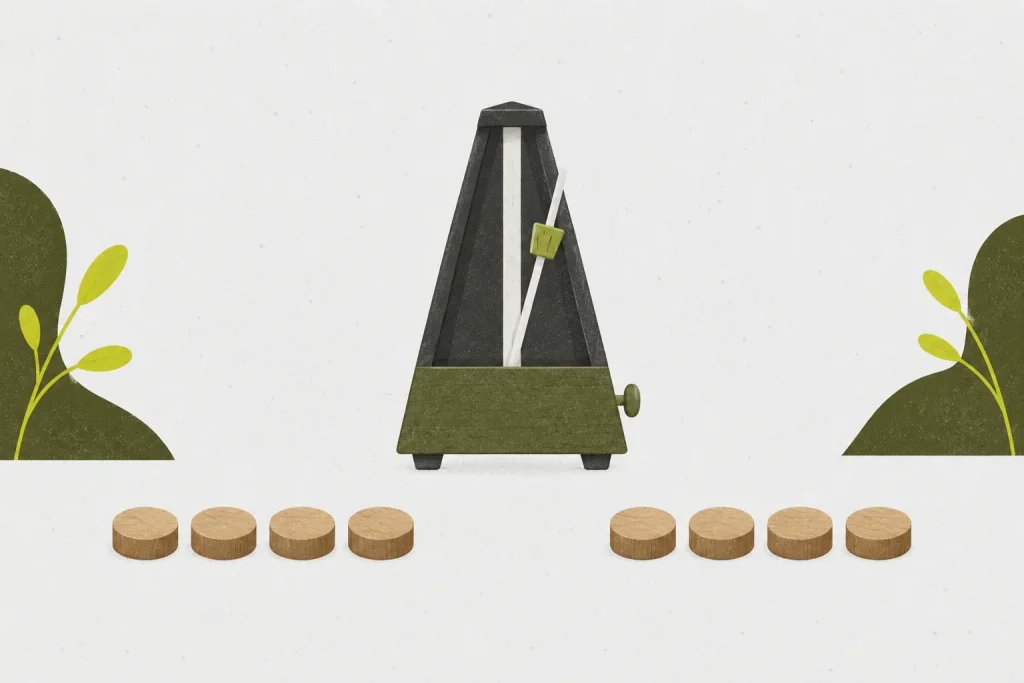
A time signature identifies a beat-grouping framework and a note-value unit. Learn 4/4, 3/4, 2/4, and the crucial difference in 6/8.
Understand whole, half, quarter, and eighth durations as relationships, then count sounds and silences inside one steady 4/4 framework.
Treble and bass clefs are two pitch maps for the same five-line staff. Learn their G and F landmarks, then connect both through middle C.
Use a few stable landmark notes, read direction and distance, and verify the result before mapping it to your instrument.
A working glossary of beginner music vocabulary, grouped by the musical questions each term helps you answer.
Start with the music mechanic that is blocking you now. This practical map connects pitch, rhythm, notation, intervals, scales, and chords through one five-minute ex...
Read the page in two passes: find pitch from the clef and staff, count duration from note shapes and meter, then combine both in one checked example.
Move between skills