Rhythm Ear Training: Hear and Copy Short Patterns
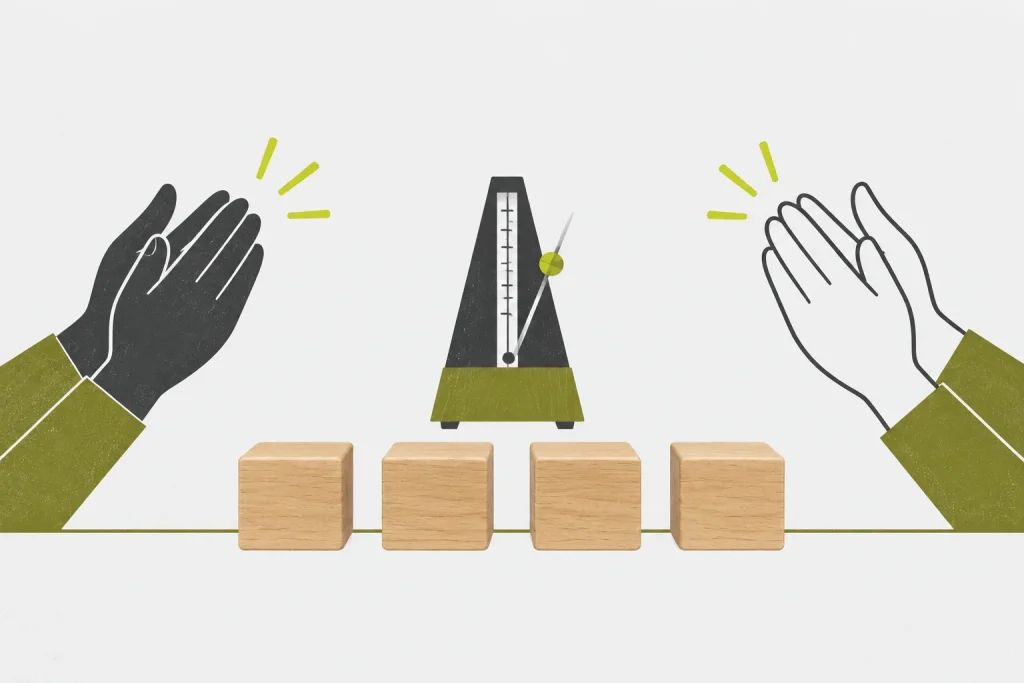
Hold a steady four-beat pulse, hear one short pattern, copy it with claps, and compare the placement of sounds and silences before adding complexity.

Duration patterns and their placement against a steady pulse.
Lessons in this path
Start with the title that matches the problem you can name today.
Hold a steady four-beat pulse, hear one short pattern, copy it with claps, and compare the placement of sounds and silences before adding complexity.
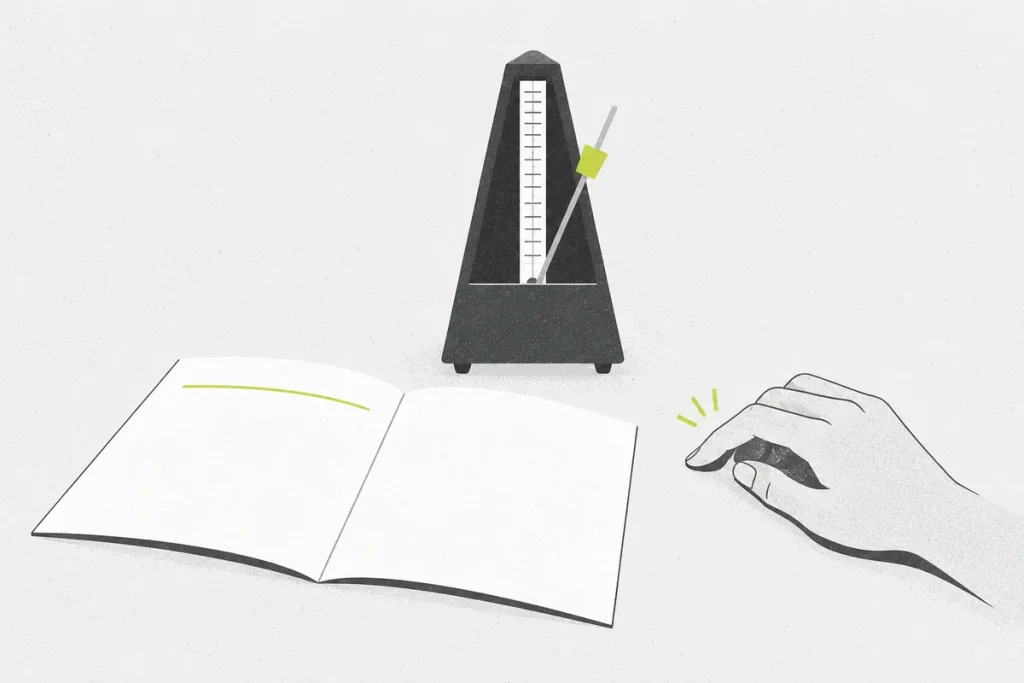
Treat the metronome as a reference point: establish the pulse in your body, join the click, and increase speed only after repeatable clean attempts.
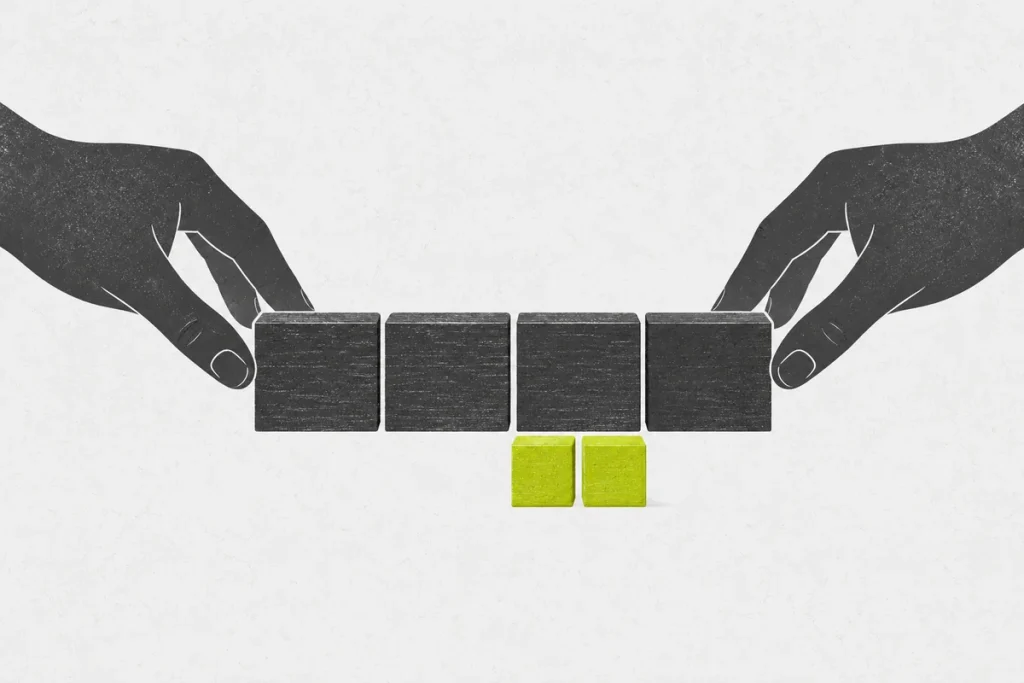
Subdivision fills the space between beats with an even internal grid. Start with halves, keep the main pulse visible, and add thirds only after duple division is sta...
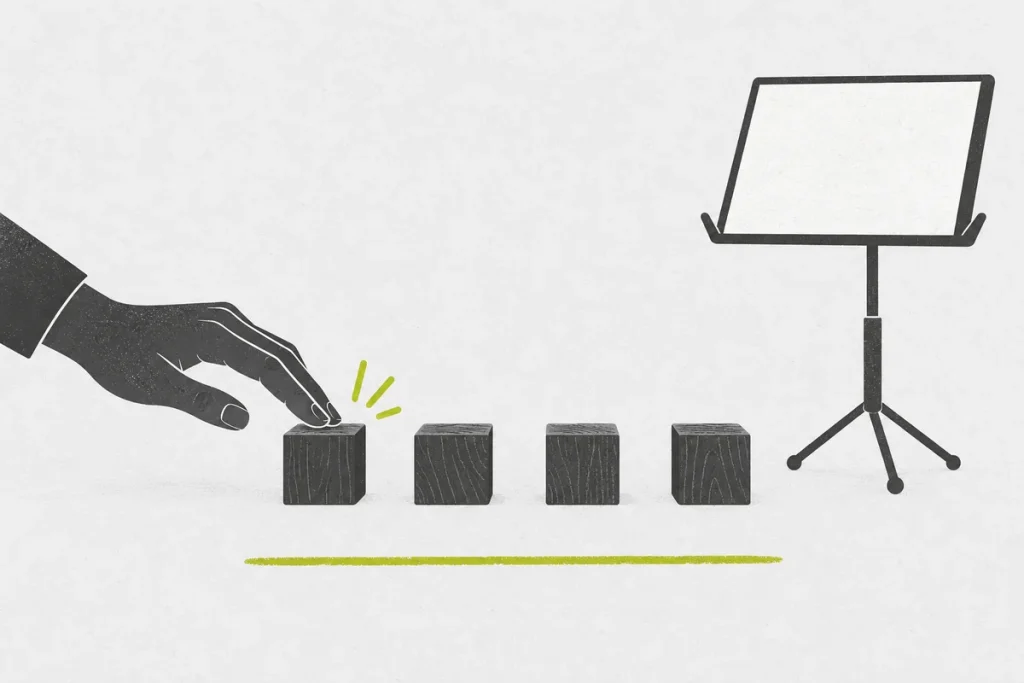
Find the pulse, group it, count aloud, preserve silent beats, and add subdivisions only after the beat is steady.
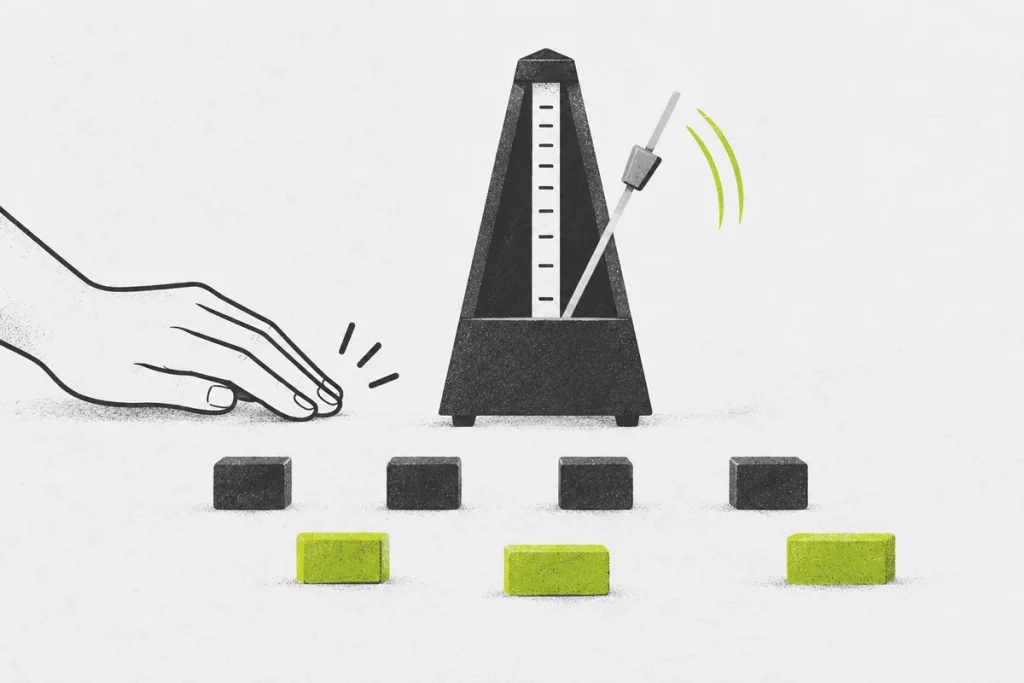
Beat is the steady pulse, rhythm is the pattern placed on it, and tempo is the pulse’s speed. Hear and feel all three in one exercise.
A time signature identifies a beat-grouping framework and a note-value unit. Learn 4/4, 3/4, 2/4, and the crucial difference in 6/8.
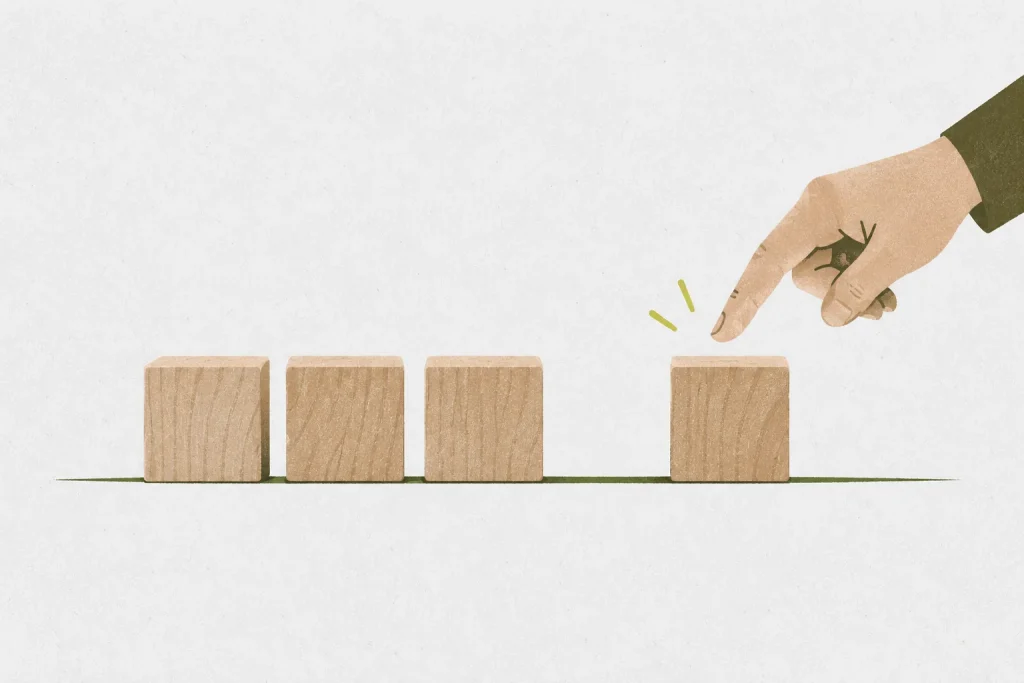
Understand whole, half, quarter, and eighth durations as relationships, then count sounds and silences inside one steady 4/4 framework.
A working glossary of beginner music vocabulary, grouped by the musical questions each term helps you answer.
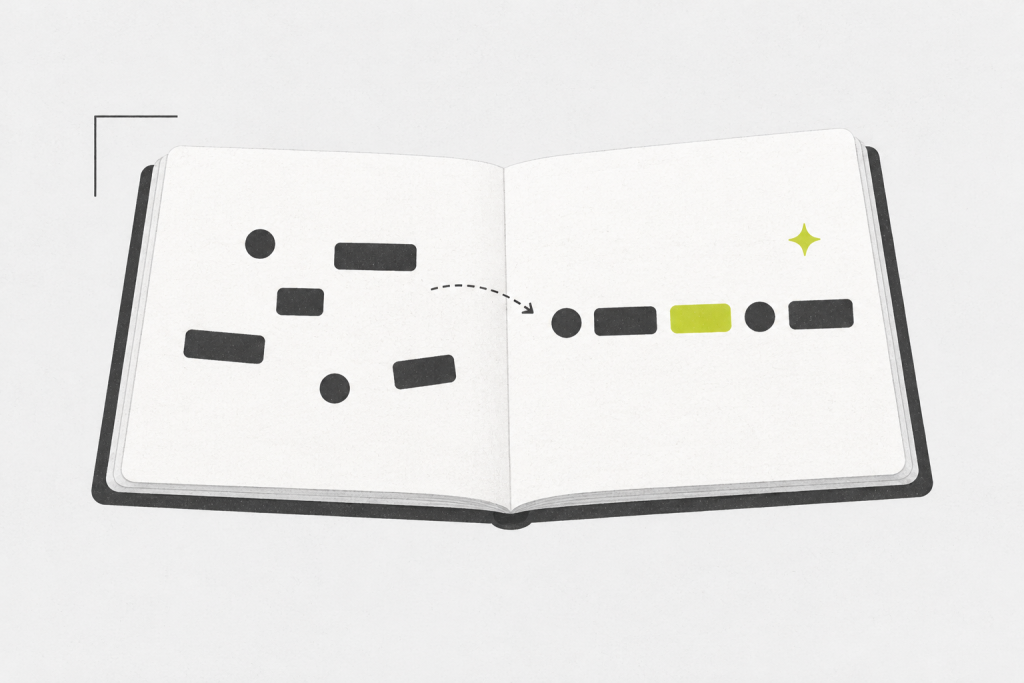
Start with the music mechanic that is blocking you now. This practical map connects pitch, rhythm, notation, intervals, scales, and chords through one five-minute ex...
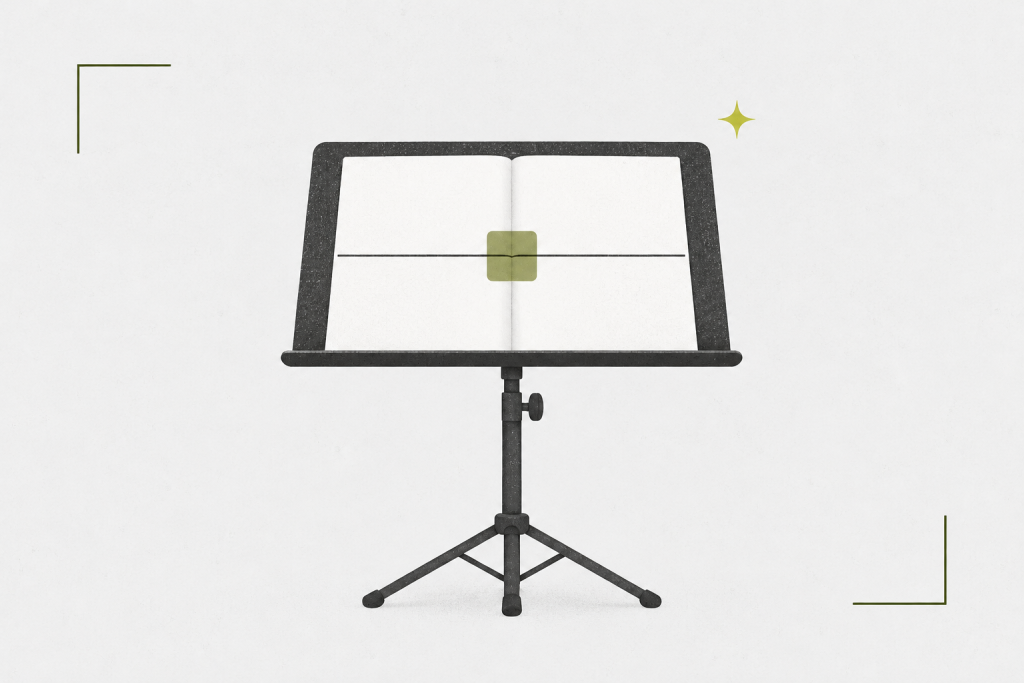
Read the page in two passes: find pitch from the clef and staff, count duration from note shapes and meter, then combine both in one checked example.
Move between skills